In today’s fast-paced digital world, businesses are constantly looking for effective ways to reach their target audience online. One of the most powerful tools in the digital marketer’s toolkit is PPC, or Pay-Per-Click advertising. But what exactly is PPC, how does it work, and why should businesses care? Let’s break it down.
🔍 What is PPC?
PPC (Pay-Per-Click) is a type of online advertising where advertisers pay a fee each time their ad is clicked. Instead of earning visits organically, you’re essentially buying traffic to your website.
The most popular form of PPC is search engine advertising, like Google Ads, where your ad appears on top of the search engine results page (SERP) when someone types in specific keywords.
💡 How Does PPC Work?
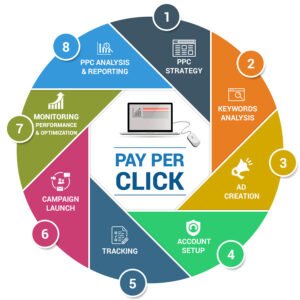
Here’s a simplified breakdown of how PPC advertising typically works:
-
Choose Keywords: Advertisers select relevant keywords that users might search for.
-
Set Up Ads: You create ads and assign them to specific keywords.
-
Bid on Keywords: You bid on how much you’re willing to pay for each click.
-
Ad Auction: Search engines use automated auctions to determine which ads show and in what order.
-
Pay for Clicks: You only pay when someone clicks on your ad, not when it’s just displayed.
🔑 Key Components of a PPC Campaign
-
Keywords: The terms users search that trigger your ads.
-
Ad Copy: The text (and sometimes image) content of your ad.
-
Landing Page: The web page users land on after clicking your ad.
-
Bid Amount: How much you’re willing to pay per click.
-
Quality Score: A score from Google based on your ad relevance, click-through rate (CTR), and landing page experience.
-
Campaign Budget: The total amount you’re willing to spend per day or month.
📊 Benefits of PPC in Digital Marketing
-
Immediate Results: Unlike SEO, which takes time, PPC can drive traffic the same day your ads go live.
-
Highly Targeted: Reach users by location, device, time, language, interests, and more.
-
Measurable ROI: Detailed analytics show impressions, clicks, conversions, and cost per action.
-
Brand Exposure: Even if users don’t click, your brand gains visibility.
-
Budget Control: You can set daily or monthly budgets and adjust based on performance.
📍 Popular PPC Platforms
-
Google Ads – The most widely used PPC platform for search and display advertising.
-
Bing Ads – Microsoft’s advertising platform, often cheaper than Google.
-
Facebook Ads – PPC model focused on social media targeting.
-
Instagram Ads – Visual PPC ads integrated into Instagram feeds and stories.
-
LinkedIn Ads – Ideal for B2B PPC campaigns.
-
YouTube Ads – PPC video ads shown before or during videos.
⚖️ PPC vs. SEO: What’s the Difference?
| Aspect | PPC | SEO |
|---|---|---|
| Cost | Pay per click | Free (organic) |
| Speed | Immediate | Long-term |
| Placement | Ads on top of SERP | Below paid results |
| Longevity | Ends when budget ends | Continuous with maintenance |
| Control | High | Medium to Low |
Both PPC and SEO work best together as part of a well-rounded digital marketing strategy.
🚀 When Should You Use PPC?
-
Launching a new product or service
-
Running time-sensitive promotions
-
Competing in a crowded market
-
Generating leads quickly
-
Testing new offers or landing pages
🧠 Final Thoughts
PPC is an essential strategy in digital marketing that offers fast, targeted, and measurable results. Whether you’re a small business or a large enterprise, investing in PPC can boost your visibility, drive qualified traffic, and increase conversions—as long as it’s managed strategically.
If you’re looking to get started with PPC or optimize your existing campaigns, partnering with a digital marketing expert or agency can help you maximize ROI and avoid common pitfalls.